Stormwater Management
Stormwater Management & SWPPP Compliance
LES prepares and maintains Stormwater Pollution Prevention Plans (SWPPPs) and manages NPDES Construction Generic Permit (CGP) obligations for active construction sites throughout Central Florida — keeping projects permitted, inspected, and defensible during regulatory review.
Flagship Service
Site-Specific Construction SWPPP Packages
Starting a project? LES prepares project-specific SWPPP documentation, NOI and CGP support, compliance binders, inspection forms, and BMP coordination — with optional field implementation.
What’s Included
- SWPPP (Stormwater Pollution Prevention Plan) preparation
- NPDES Construction Generic Permit (CGP) Notice of Intent (NOI) and Notice of Termination (NOT) filing assistance
- Weekly and post-rain-event compliance inspections
- Monthly compliance retainer programs with tiered service levels
- Pond and aquatic vegetation management (mechanical removal — no herbicide)
Specialized Services Under Stormwater Management & SWPPP Compliance
Installed. Maintained. Documented.
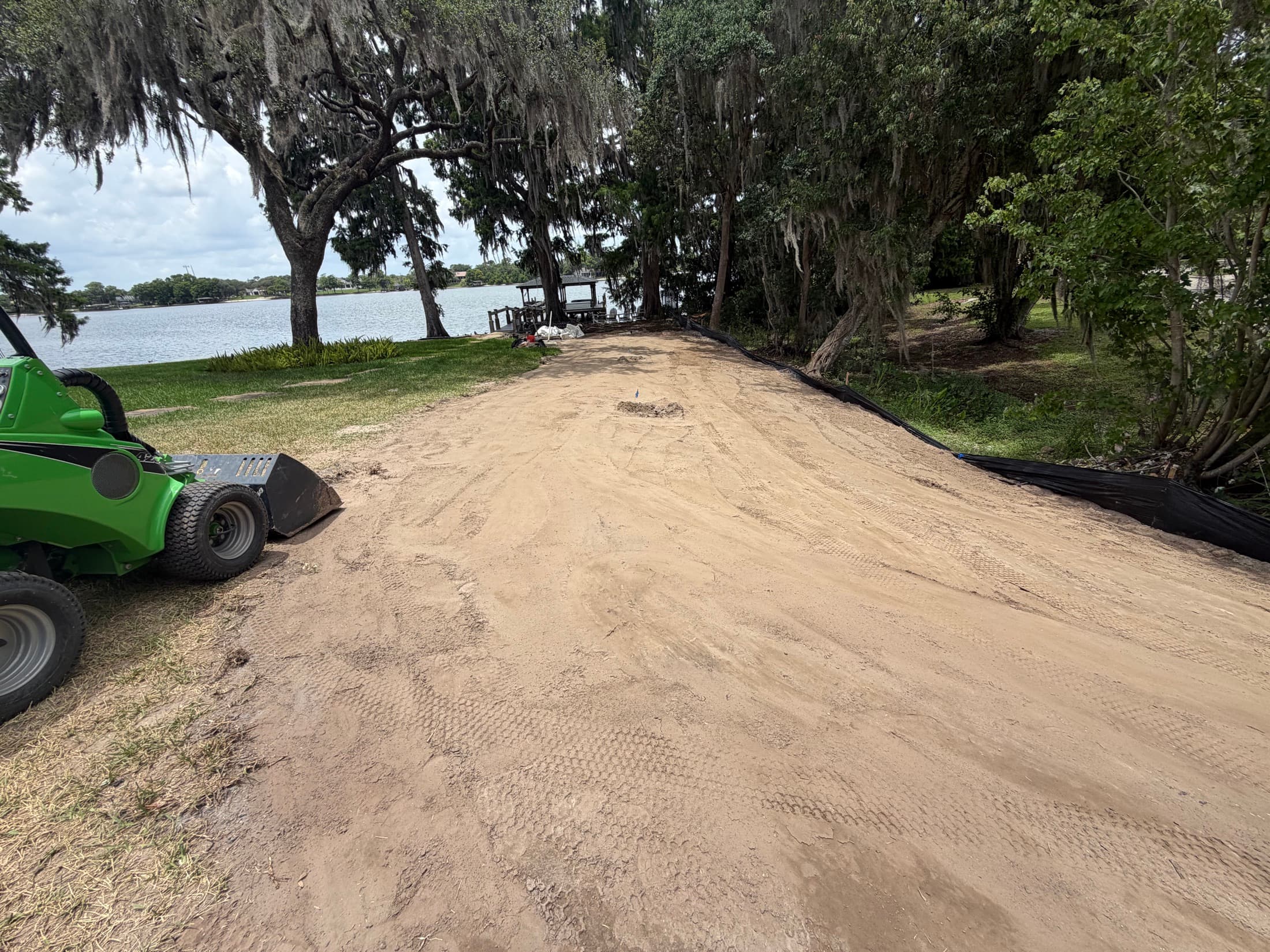
Every installation, repair, or maintenance visit is photo-documented in the field — so the work holds up under inspection, not just under a good-faith assumption.
- Before, during, and completed-work photos
- Field maintenance notes
- Post-rain observations
- Corrective action tracked through to close-out
- Documentation-ready reports for your compliance file
Frequently Asked Questions
How fast can you get on site after a failed stormwater inspection?
Same or next day in most cases. Corrective work is prioritized over scheduled maintenance, because a failed inspection has a clock on it. Call the office with the site and what the inspector wrote up, and we will tell you honestly when we can be there rather than guessing.
What actually happens if I fail a stormwater inspection?
Typically the inspector issues a written correction notice with a deadline to fix the deficiency. Until it is corrected, the site is out of compliance and can be subject to costly fines, and the finding stays in the project's compliance record. The practical cost is usually the schedule, not the notice itself: work in the affected area stalls while the correction and re-inspection happen. Specific consequences depend on the jurisdiction and the severity of what was found.
Can you fix the deficiency and document it for the inspector?
Yes. Corrective work is photo-documented before, during, and after, so you have a record of what was repaired and when. That documentation is what closes the corrective action in the file and is worth having whether or not anyone asks for it.
Get the site ready for the next inspection
Send the SWPPP, civil plans, inspection findings, or project address. LES can help identify the field scope, corrective actions, documentation, and ongoing inspection requirements.
Prefer to talk it through? Call 407-502-6476 and speak with the team directly.